Polarities at play amid COVID-19

To survive and thrive in these difficult times, you have to be able to put the polarities and tensions created by this hyper volatile context on the table. Talk about them with the mindset of the learner; understand how everything can be true at the same time.
Survivor Syndrome: Gather Information and Act

The number one need employees and managers have in the current context is for their organization and leaders to actively listen, with empathy and compassion, to their feelings, fears, difficulties, and what support they need. This is the first step to treating any trauma.
Scenario Planning 2.0

Traditional scenario planning considers possible future scenarios in order to formulate the best plans to tackle any given outcome. But what happens when the future suddenly seems more uncertain than ever? We are facing fast changing environments in which people and organizations are struggling with how to adjust to it all. Now the question is, how do we find the way forward?
Survivor Syndrome: Tapping into the Player Within

How can leaders respond to the current challenges in a constructive way? One way is by asking people what they need to be at their best, inviting them to be players and to regain control of their situation.
Return to the new normal: Leader’s top of mind
Axialent recently hosted a live debate, Return to the new normal: Leader’s top of mind, where our two experts explored and debated global organizations’ leaders’ top of mind topics and how to prepare for the “new normal”. The live webinar covered three pressing questions: 1) What do you think the “new normal” is going to look like? 2) What challenges and opportunities do you see now emerging from this crisis? and 3) What is the implication of this new normal at a leader’s personal level?
Survivor Syndrome: Building Bridges

If “meeting people where they are” makes us feel loved and valued and can help us thrive, why do we often experience disconnection or misunderstandings instead? And how can we increase our connection to build bridges and “meet people where they are?”
Never let a good crisis go to waste: Empathy and gratitude as a character-building workout
Whatever the lenses we choose to practice gratitude and empathy, they can be helpful to get some understanding of what others are living during this crisis. Realizing that can help put things in perspective – and it’s one of many ways in which we can individually do our work to avoid letting this crisis go to waste.
Never let a good crisis go to waste: Who do you want to become?
One of the most tangible aspects of a crisis like the one we are living is the material damage it causes: sickness, death, lost jobs, etc. There is, however, a less tangible but also very important dimension: the net balance a crisis has on our character as individuals, and the overall impact on society as a whole stemming from this.
Never let a good crisis go to waste: Viktor Frankl’s lessons
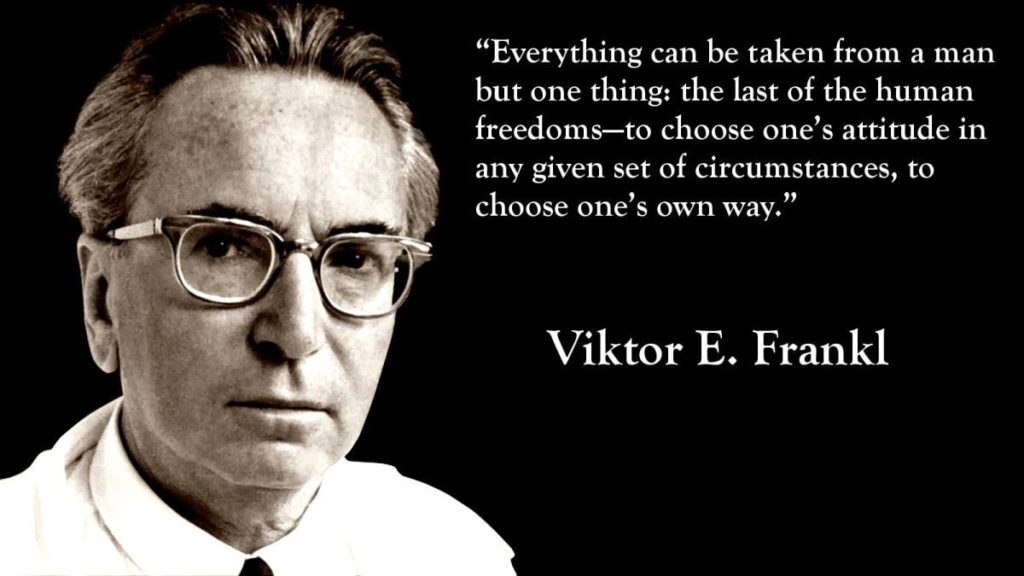
A couple of years ago, I joined a team facilitating an executive development session at a US company. During that meeting, a defense contractor executive shared an anecdote of a big crisis they had faced, and he said “Never let a good crisis go to waste”. That phrase stuck with me and during the last […]